
The Shift from Reactive to Proactive Inventory Control
In the context of increasingly competitive markets, businesses can no longer rely on guesswork or manual spreadsheets to manage stock. Advanced inventory management is no longer a luxury; it is a strategic necessity. By integrating data and automating replenishment, firms can balance availability and operational efficiency simultaneously and in real-time.
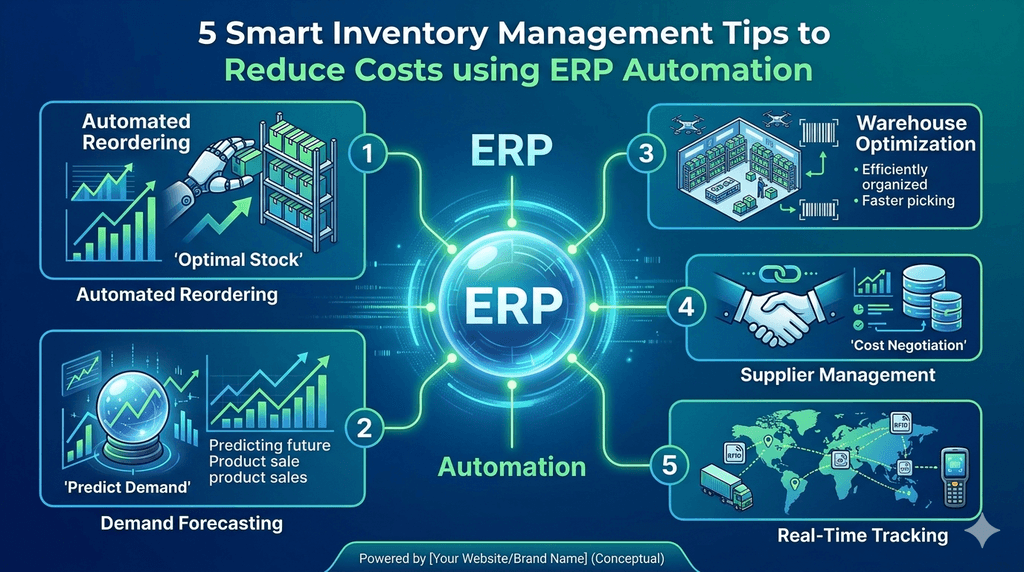
1. Establish Real-Time Visibility Across the Supply Chain
Manual tracking is the primary cause of "ghost stock" and data fragmentation. When your systems are not connected, you are always reacting to yesterday’s problems. Implementing real-time tracking through ERP automation ensures that every stakeholder from the warehouse floor to the finance department is looking at a single source of truth. This eliminates manual errors and provides the analytical depth needed to protect long-term customer loyalty.
2. Deploy Automated Replenishment and Reorder Logic
Waiting for a shelf to be empty before ordering is a reactive trap that leads to stockouts and lost revenue. Smart ERP systems allow you to set dynamic replenishment parameters based on lead times and service level goals. When stock hits a pre-defined trigger, the system generates purchase recommendations automatically. This prevents shortages without the need for constant manual monitoring, ensuring your supply chain remains resilient.
3. Leverage Predictive Analytics for Demand Forecasting
Traditional inventory methods often fail to account for seasonality, trends, and demand variability. Advanced automation uses data-driven algorithms to predict future needs based on historical performance and market shifts. By moving away from simple averages and embracing predictive forecasting, you can significantly reduce excess safety stock. This releases trapped working capital that can be reinvested into scaling your business operations.
4. Optimize Physical Throughput with Data-Driven Layouts
Effective management goes beyond digital records; it includes the physical optimization of your warehouse. Automation tools analyze SKU velocity to determine the most efficient placement of goods. By placing high-demand items in high-accessibility zones, you reduce labor hours and speed up the picking process. This structural approach to stock management turns your warehouse from a storage space into a high-speed distribution hub.
5. Create Seamless Digital Links with Your Suppliers
A truly optimized inventory system extends beyond your own walls. By integrating your ERP directly with supplier data, you can synchronize lead times and performance metrics. This seamless communication ensures that your procurement is always aligned with real-world supply capacity. Reducing the information gap between you and your vendors is the final step in building a supply chain that operates on true autopilot.
The Strategic Advantage of Automated Operations
Inventory management software is the technological backbone of a modern business. It allows you to transform stock control from a time-consuming manual task into a clear strategic advantage. Businesses that embrace this digital transformation achieve higher product availability, lower excess inventory, and stronger profit margins.
Optimized inventory means an optimized supply chain. As customer expectations rise, the right automation tools ensure you stay ahead of the curve while maintaining maximum operational efficiency.
If you are ready to fire yourself from daily operations and run your business on autopilot, book a Free Automation Audit with us today.